This case study outlines the exact steps we took to boost The Cenote Guy’s website rankings. From keyword research to continuous optimization, every move was designed to increase organic traffic, enhance user experience, and strengthen the site’s authority in search engines.
Challenge
The Cenote Guy’s website had a decent presence but struggled to reach top positions for competitive queries. Traffic potential was high, yet the site lacked a clear SEO structure, targeted content, and technical optimization needed for sustained growth.
Signals
Our audit revealed inconsistent keyword targeting, non-optimized meta tags, a lack of internal linking strategy, slow page load times, and mobile usability issues. Although the site was indexed and discoverable, its structure and content hierarchy were limiting organic reach.
Approach
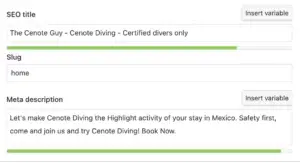
We conducted in-depth keyword research using Ahrefs and SEMrush, balancing high-volume and long-tail keywords to match search intent. The site’s navigation and URL structure were reworked for clarity. We optimized all title tags and meta descriptions, implemented a consistent internal linking system, improved mobile responsiveness, reduced image sizes for faster load times, and launched a blog content plan targeting relevant topics.
Outcome
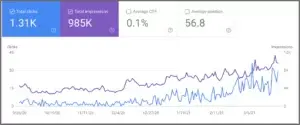
After implementing these changes, The Cenote Guy saw a significant improvement in keyword rankings and organic traffic. Blog posts began ranking for competitive long-tail terms, click-through rates improved due to better meta optimization, and mobile performance scores increased. The site established stronger authority in its niche, leading to higher visibility and more client inquiries.

Key Actions Taken
- Comprehensive keyword research using Ahrefs and SEMrush.
- Improved site architecture and streamlined navigation menus.
- Optimized all URLs for keyword relevance and readability.
- Rewrote title tags and meta descriptions to boost CTR.
- Created and optimized high-quality blog content.
- Developed an internal linking strategy to guide users and search crawlers.
- Reduced page load times with image compression and caching.
- Ensured full mobile responsiveness for all devices.
- Integrated Google Analytics and Search Console for ongoing tracking.
Recommendations Moving Forward
- Maintain a steady publishing schedule for fresh, optimized content.
- Expand backlink acquisition from authoritative, relevant websites.
- Continue monitoring competitor activity and SERP trends.
- Leverage social media and email marketing to complement SEO efforts.
- Focus on local SEO strategies for location-based search dominance.
Note: SEO is a long-term strategy. While improvements can be seen within months, sustained results require ongoing optimization and adaptation to search engine updates.